
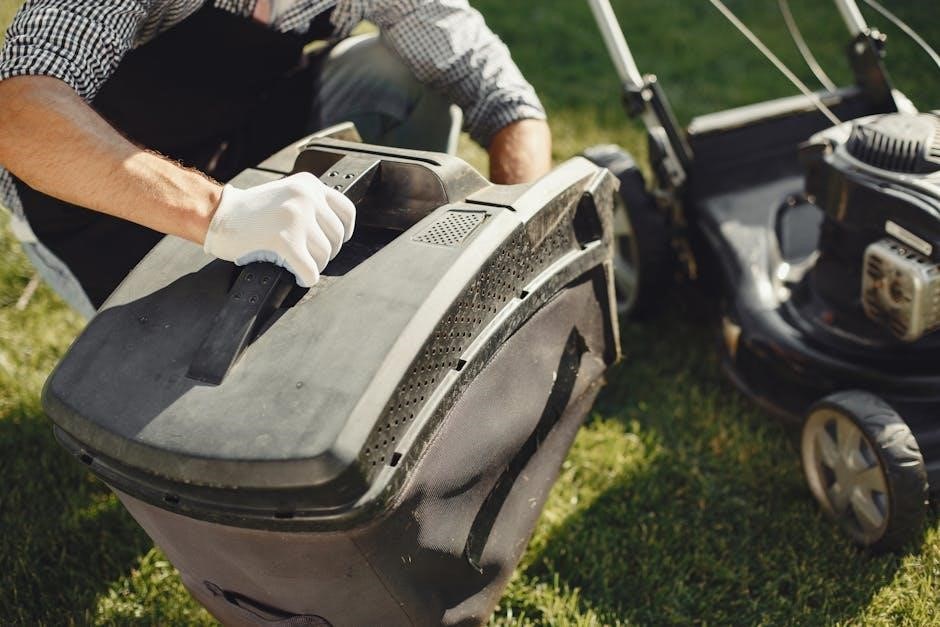
Cub Cadet LTX 1050 Manual: A Comprehensive Guide
Unlocking the full potential of your Cub Cadet LTX 1050 requires a detailed understanding, and this manual provides seamless installation, operation, and maintenance guidance․
Welcome to the world of powerful and reliable lawn care with your new Cub Cadet LTX 1050! This riding lawn mower is engineered for homeowners who demand professional-level performance and durability․ This introduction serves as your starting point for understanding the capabilities of this exceptional machine․
The LTX 1050 is designed to tackle a variety of landscaping tasks, from routine lawn maintenance to more demanding property upkeep․ This manual will guide you through every aspect of owning and operating your mower, ensuring years of efficient and satisfying use․ We’ll cover everything from initial setup and safety precautions to detailed maintenance procedures and troubleshooting tips․
Before you begin, take the time to familiarize yourself with the contents of this manual․ Understanding your LTX 1050 is the key to maximizing its performance and ensuring your safety․ Let’s begin your journey towards a beautifully maintained landscape!
Understanding the LTX 1050 Model Series
The Cub Cadet LTX 1050 represents a cornerstone within a robust series of lawn and garden tractors known for their dependability and cutting-edge features․ This particular model boasts a powerful engine coupled with a durable, fabricated deck, designed to deliver a superior cut quality and lasting performance․ Understanding its place within the series highlights its strengths․
Compared to other LTX models, the 1050 strikes a balance between affordability and capability․ It offers a comfortable operator experience with intuitive controls and a focus on ease of use․ Key differentiators include deck size options and engine horsepower, catering to varying lawn sizes and terrain challenges․
This series prioritizes user-friendly maintenance, with easily accessible service points․ Knowing these nuances allows you to select the right accessories and optimize your LTX 1050 for your specific landscaping needs, ensuring years of reliable service․

Safety Precautions & Operational Guidelines
Prioritize safety during operation; always adhere to guidelines, inspect equipment thoroughly, and understand controls before each use for optimal performance and protection․
General Safety Rules
Always exercise extreme caution when operating the Cub Cadet LTX 1050․ Thoroughly read and understand this manual before use, paying close attention to all safety warnings and instructions․ Never allow untrained individuals to operate the machine․ Keep children and pets well clear of the operating area at all times․
Before starting, inspect the mowing area for obstacles like rocks, toys, or wires․ Wear appropriate safety gear, including eye protection and sturdy footwear․ Never operate the mower with missing or damaged safety devices․ Ensure the blade is securely attached and in good condition․
Avoid operating on steep slopes or slippery surfaces․ Be mindful of bystanders and maintain a safe distance․ Never reach under the deck while the engine is running․ Always disengage the blades and shut off the engine before making any adjustments or repairs․ Follow all local safety regulations․

Pre-Operation Checklist
Before each use of your Cub Cadet LTX 1050, a thorough pre-operation check is crucial for safe and efficient operation․ First, verify the oil level and add if necessary․ Check the fuel level and ensure no fuel leaks are present․ Inspect the air filter for cleanliness and replace if dirty․
Examine the blades for damage or dullness; sharpen or replace as needed․ Confirm all safety shields and guards are securely in place․ Check the tire pressure and adjust to the recommended PSI․ Inspect the drive belt for wear and tear․
Ensure the parking brake is functioning correctly․ Finally, clear the mowing area of any obstructions․ A quick review of these points will help prevent accidents and ensure optimal performance․
Operating Instructions
To begin operation of your Cub Cadet LTX 1050, ensure the pre-operation checklist is completed․ Sit firmly in the operator’s seat and fasten the seatbelt․ Engage the parking brake, then turn the ignition key to the ‘ON’ position․ Slowly depress the throttle to start the engine, allowing it to warm up briefly․
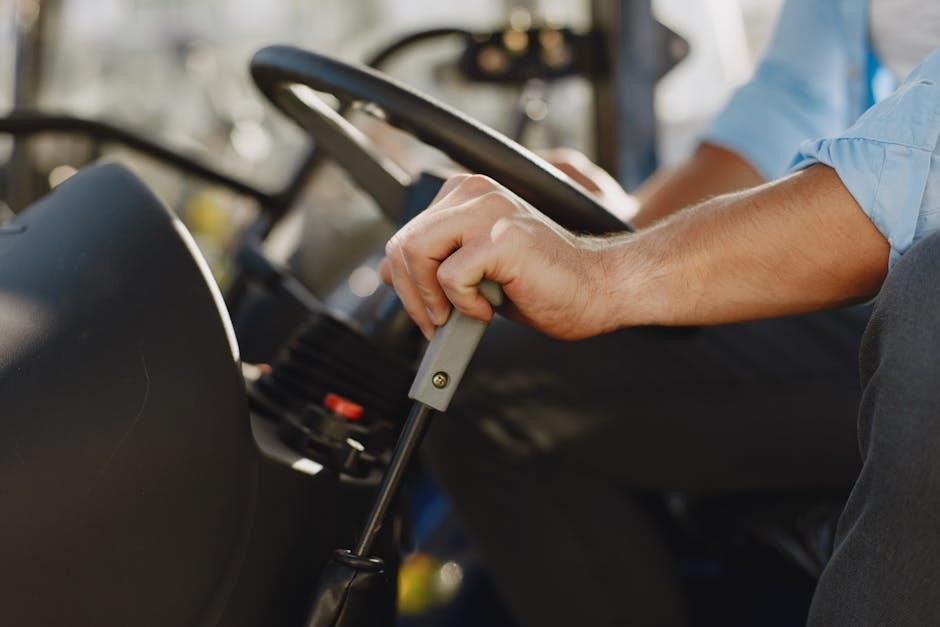
Release the parking brake and select the desired forward or reverse gear․ Use the speed control lever to adjust the mowing speed․ Engage the mower deck by using the appropriate lever or switch․ Overlap each mowing pass slightly for a clean, even cut․
When finished, disengage the mower deck, slow to a stop, and re-engage the parking brake before exiting․

Maintenance & Servicing
Regular maintenance is crucial for optimal performance and longevity of your Cub Cadet LTX 1050, ensuring reliable operation for years to come․
Routine Maintenance Schedule
Maintaining your Cub Cadet LTX 1050 requires a consistent schedule to ensure peak performance and prevent costly repairs․ After each use, inspect the mower deck for debris and thoroughly clean it․ Every 25 hours of operation, check the engine oil level and add if necessary; also, inspect the air filter and clean or replace it as needed․
Every 100 hours, change the engine oil and filter, grease all lubrication points, and inspect the drive belt for wear․ Annually, or every 300 hours, replace the spark plug, fuel filter, and inspect the cooling system․ Additionally, sharpen or replace the blades to maintain a clean cut․ Following this schedule will significantly extend the life of your LTX 1050 and keep it running smoothly;
Blade Maintenance & Sharpening
Sharp blades are crucial for a clean and healthy lawn, and maintaining your Cub Cadet LTX 1050 blades is essential․ Regularly inspect the blades for damage, such as bending, cracking, or excessive wear․ Sharpening should be performed when the blades become dull, typically after 25-50 hours of use, or when you notice uneven cutting․
Always disconnect the spark plug wire before working on the blades․ Remove the blades and secure them in a vise․ Use a file or grinding wheel to sharpen the cutting edges, maintaining the original angle․ Balance the blades after sharpening to prevent vibration and damage to the mower․ Properly reinstall the blades, ensuring they are securely tightened․
Engine Maintenance (Oil Changes, Air Filter)
Maintaining your Cub Cadet LTX 1050’s engine is vital for longevity and performance․ Regular oil changes, typically every 25-50 hours of operation or annually, are crucial․ Use the recommended oil type and filter specified in the manual․ Always check the oil level before each use and top off as needed․
The air filter prevents debris from entering the engine․ Inspect it frequently and clean or replace it when dirty․ A clogged air filter reduces engine power and efficiency․ Follow the manual’s instructions for air filter maintenance․ Ensure proper disposal of used oil and filters, adhering to local regulations․ Consistent engine care ensures reliable operation․

Troubleshooting Common Issues
Addressing typical problems like starting difficulties, cutting inconsistencies, or drive system malfunctions is essential for maintaining peak performance of your LTX 1050․
Starting Problems
Encountering starting issues with your Cub Cadet LTX 1050 can be frustrating, but often stems from simple causes․ First, verify the fuel level and ensure the fuel shut-off valve is open․ A weak battery is a common culprit; check connections for corrosion and consider a charge or replacement․
Inspect the spark plug for fouling or damage, cleaning or replacing as needed․ Confirm the safety interlocks are engaged correctly – the seat switch and blade engagement lever must be functioning․ If the engine cranks but doesn’t start, examine the carburetor for potential blockage or fuel delivery issues․
Low oil levels can also prevent starting, so always check the dipstick․ Finally, consult the wiring diagram to rule out any electrical faults in the starting circuit․ Remember safety first – disconnect the spark plug wire before performing any maintenance․
Cutting Issues (Uneven Cut, Poor Performance)
Experiencing an uneven cut or diminished performance with your Cub Cadet LTX 1050 often points to blade-related problems․ Ensure blades are sharp and balanced; dull or unbalanced blades cause tearing and scalping․ Check blade engagement – a slipping belt can result in incomplete cutting․
Adjust the deck height to suit your lawn conditions; too low can scalp, while too high leaves uncut grass․ Inspect the deck for obstructions like accumulated debris, which hinders airflow and cutting efficiency․ Verify tire pressure is correct, as uneven pressure affects deck leveling․
A clogged discharge chute restricts grass flow and reduces performance․ Consider the grass type and cutting speed; slower speeds are better for thick grass․ Finally, examine the drive belt for wear or damage, as it impacts blade speed․
Drive System Problems
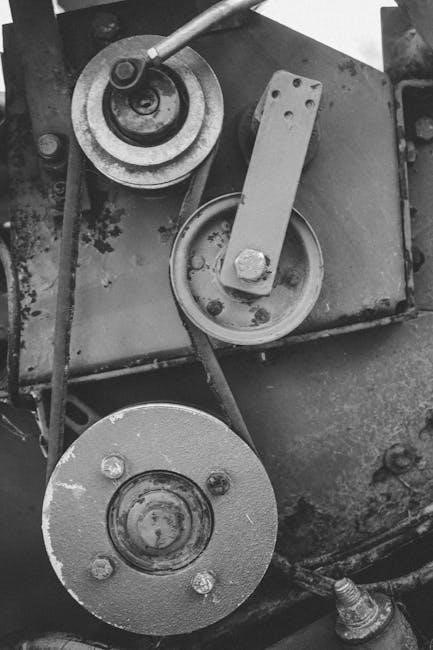
If your Cub Cadet LTX 1050 experiences drive system issues, several areas require investigation․ Check the drive belt for wear, cracks, or breakage; a damaged belt causes slippage and loss of power․ Inspect the belt tension – insufficient tension leads to similar symptoms․ Examine the drive pulley for damage or debris accumulation, hindering smooth operation․
Verify the transmission fluid level; low fluid causes sluggish response and potential damage․ Look for leaks around the transmission housing and hoses․ Test the forward and reverse levers for proper engagement; sticking or unresponsive levers indicate internal issues․
A faulty drive clutch can prevent the blades from engaging․ Inspect the differential for unusual noises or resistance․ Ensure the parking brake is fully disengaged before operation, as it can strain the drive system․

Technical Specifications & Diagrams
Detailed engine, deck, and hydraulic system overviews are provided, alongside comprehensive diagrams, ensuring precise understanding of the LTX 1050’s core components․
Engine Specifications
The Cub Cadet LTX 1050 typically features a Kohler engine, renowned for its durability and performance․ Specifically, models often incorporate a Kohler Courage series engine, generally a 22․5 horsepower (HP) configuration․ This engine is a V-twin cylinder, four-cycle type, delivering robust power for various lawn and garden tasks․
Displacement usually falls around 726cc, contributing to its strong torque output․ The engine utilizes a full-pressure lubrication system, ensuring consistent and reliable operation․ It’s equipped with an oil filter for enhanced engine protection and longevity․ Fuel capacity is approximately 2․5 gallons, providing extended run times between refueling․
The engine also boasts an electric start for convenient operation, alongside a recoil start as a backup․ Cooling is achieved through an air-cooled system, maintaining optimal operating temperatures․ Understanding these specifications is crucial for proper maintenance and troubleshooting․
Deck Specifications
The Cub Cadet LTX 1050 generally features a 48-inch stamped steel deck, providing a balance between durability and maneuverability․ This deck is designed for efficient cutting and mulching capabilities, enhancing lawn care performance․ The deck height adjustment system is typically lever-controlled, offering multiple cutting heights ranging from 1 to 4 inches, allowing for customized lawn grooming․
Blade engagement is usually electric, providing convenient and reliable operation․ The deck incorporates anti-scalp wheels to prevent damage to the lawn, especially on uneven terrain․ Blade speed is optimized for clean cuts and effective grass handling․
Proper deck maintenance, including cleaning and blade sharpening, is essential for maintaining optimal cutting performance and extending the deck’s lifespan․ Regular inspection for damage and wear is also recommended․ Understanding these specifications ensures efficient and effective lawn care․
Hydraulic System Overview
The Cub Cadet LTX 1050 utilizes a hydraulic system to power the steering and blade engagement, offering smooth and responsive control․ This system typically consists of a hydraulic pump, hoses, cylinders, and a reservoir filled with hydraulic fluid․ The pump generates pressure, transmitting power through the hoses to the steering cylinder and blade engagement mechanism․
Regularly checking the hydraulic fluid level is crucial for optimal performance and preventing damage to the system․ Maintaining proper fluid levels ensures efficient operation and minimizes wear and tear on components․ Inspecting hoses for leaks or damage is also essential for safe and reliable operation․
Understanding the hydraulic system’s components and their functions allows for effective troubleshooting and maintenance, maximizing the lifespan of your LTX 1050․

Wiring Diagrams & Electrical System
Detailed wiring diagrams are essential for understanding the LTX 1050’s electrical system, aiding in troubleshooting and ensuring correct component connections for optimal function․
Understanding the Wiring Diagram
The Cub Cadet LTX 1050 wiring diagram is a crucial resource for anyone performing electrical work on this machine․ It visually represents the network of wires, connectors, and components that power the tractor’s various systems․ Before attempting any repairs, familiarize yourself with the diagram’s symbols and conventions; these will indicate wire colors, gauge sizes, and connection types․
Carefully trace circuits to identify the path of electricity from the battery to the affected component․ Pay close attention to ground connections, as a faulty ground can often cause intermittent or complete failures․ The diagram will also reveal the location of fuses and relays, which protect the electrical system from overloads․ Understanding how these protective devices function is vital for safe and effective troubleshooting․ Remember to always disconnect the battery before working on any electrical components․
Battery Maintenance & Replacement
Proper battery maintenance is essential for reliable starting and optimal performance of your Cub Cadet LTX 1050․ Regularly inspect the battery terminals for corrosion, cleaning them with a wire brush and a solution of baking soda and water․ Ensure the connections are tight and secure․ Periodically check the electrolyte level (if applicable) and top it off with distilled water only․
When replacing the battery, always disconnect the negative terminal first to prevent short circuits․ Use a battery of the correct size and specifications as recommended in the manual․ Properly dispose of the old battery at a designated recycling center․ After installing the new battery, reconnect the positive terminal first, then the negative․ Consider using a battery tender during periods of prolonged storage to maintain the battery’s charge and extend its lifespan․