
What Is an Alkaline Diet Chart PDF?
An alkaline diet chart PDF is a downloadable‚ printable guide that maps foods by their pH impact‚ helping users plan meals that promote a balanced internal environment. It lists alkaline foods‚ acidic alternatives‚ and daily portions for weight‚ health‚ and energy goals. Ideal for daily tracking and!
Definition and Purpose
A concise‚ searchable PDF that catalogs foods by their acid‑base effect on the body‚ allowing individuals to design balanced meals that maintain optimal pH levels. The chart lists alkaline‑promoting items such as leafy greens‚ nuts‚ and certain fruits‚ alongside acidic foods like meats‚ dairy‚ and processed grains. By visualizing daily intake‚ users can track nutrient distribution‚ reduce inflammation‚ and support overall wellness. The PDF format ensures portability‚ easy printing‚ and compatibility with mobile devices‚ making it a practical tool for dietitians‚ health coaches‚ and anyone seeking a structured approach to alkaline nutrition.
By integrating the chart into daily meal planning‚ users can assess the pH balance of each dish‚ ensuring cumulative intake stays within a target range that supports cellular health. The PDF’s grid layout lists foods in categories such as fruits‚ vegetables‚ grains‚ proteins‚ and dairy‚ each tagged with a color code indicating acidity or alkalinity. This visual cue helps individuals make instant substitutions—replacing a high‑acid protein with a plant‑based alternative—without compromising taste or nutrition. The chart also includes recommended portion sizes and suggested daily totals‚ allowing users to monitor macro‑and micronutrient distribution while staying within caloric goals. Health professionals recommend the alkaline diet PDF as part of a holistic program for managing conditions like acid reflux‚ osteoporosis‚ and metabolic syndrome‚ citing studies that link lower dietary acid load to reduced inflammation and improved bone density.

Key Components of an Alkaline Diet
Key components include a balanced mix of alkaline‑rich foods—leafy greens‚ nuts‚ seeds‚ and certain fruits—paired with limited acidic items such as meats‚ dairy‚ and refined grains. Portion control‚ hydration‚ and regular meal timing help maintain a stable pH for optimal health. Balanced hydration!.
Alkaline vs. Acidic Foods
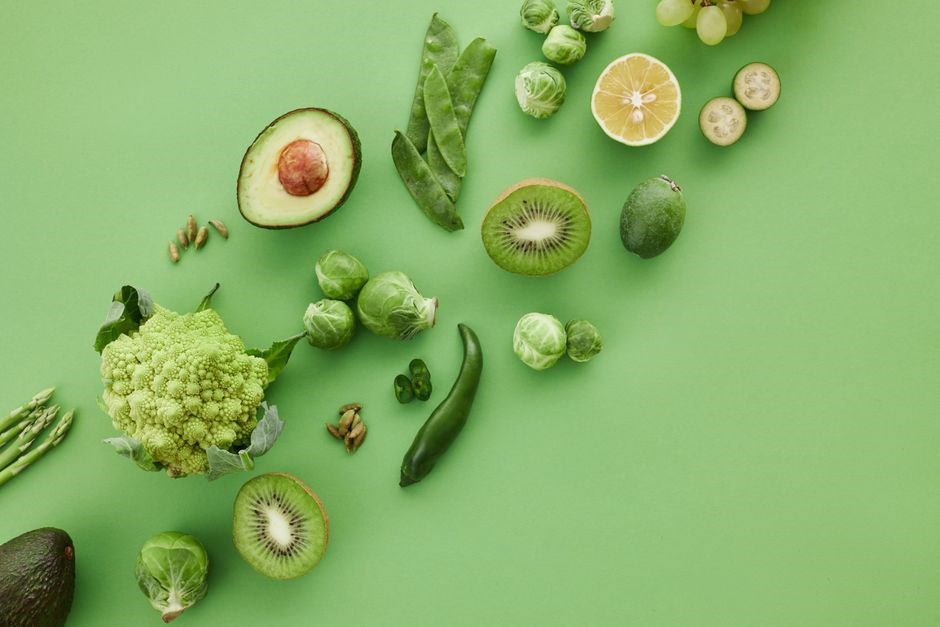
Alkaline foods are those that‚ after digestion‚ leave a basic residue in the body‚ helping to neutralize excess acidity. Common examples include leafy greens‚ broccoli‚ cucumber‚ avocado‚ almonds‚ and most fruits such as lemons‚ limes‚ and berries. These foods are rich in minerals like potassium‚ magnesium‚ and calcium‚ which support cellular function and bone health. Acidic foods‚ on the other hand‚ tend to produce an acidic residue and can contribute to a lower pH level in the bloodstream. Typical acidic items include red meat‚ processed meats‚ dairy products‚ refined grains‚ sugary beverages‚ and many packaged snacks. Consuming too many acidic foods may lead to chronic inflammation‚ joint pain‚ and digestive issues. A balanced alkaline diet emphasizes plant‑based proteins‚ whole grains‚ and legumes while limiting animal proteins and processed foods. By tracking pH impact in a PDF chart‚ you can easily plan meals that maintain a neutral or slightly alkaline internal environment‚ promoting overall wellness and energy. To effectively use the chart‚ record your daily intake‚ note the pH score‚ and adjust portions accordingly; over time‚ you’ll notice improved digestion‚ clearer skin‚ steadier energy levels‚ and a reduced need for medication Remember‚ consistency is key‚ and consulting a nutritionist can personalize the plan for specific health goals. Additionally‚ pairing alkaline foods with adequate hydration amplifies benefits‚ helping to stabilize blood sugar and reduce inflammation markers over weeks daily today
Health Benefits of Following an Alkaline Diet

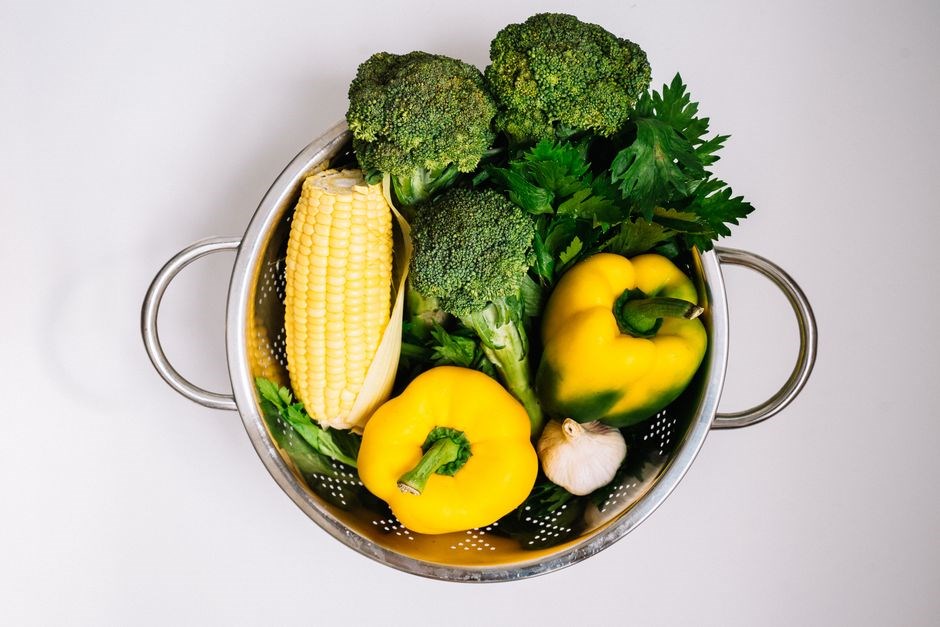
Adopting an alkaline diet chart PDF can lower chronic inflammation‚ boost bone density‚ improve digestion‚ and stabilize blood sugar. It may reduce the risk of osteoporosis‚ heart disease‚ and certain cancers‚ while enhancing energy levels and supporting weight management. and supports immunity now.
Potential Impact on Chronic Conditions
Research indicates an alkaline diet chart PDF can affect health. Prioritizing fruits‚ veggies‚ nuts‚ and legumes—foods that raise the body’s pH—reduces systemic inflammation markers like C‑reactive protein and interleukin‑6. Lower inflammation may slow osteoarthritis progression‚ easing joint pain and improving mobility. In hypertensive patients‚ the potassium and sodium of an alkaline menu links to drops in systolic and diastolic pressures‚ reducing reliance on antihypertensive drugs. For type 2 diabetics‚ the diet’s focus on glycemic produce and fiber can lower fasting glucose and HbA1c‚ lessening insulin or oral hypoglycemic needs. Bone health benefits too; calcium‑rich‚ magnesium‑dense foods support osteoblasts‚ helping maintain bone density and lower fracture risk in post‑menopausal women. The reduced acid load may curb kidney stone formation by boosting urinary citrate and lowering calcium excretion. While promising‚ responses vary‚ and patients should consult professionals before major changes. Athletes may see better endurance from improved acid–base balance‚ letting muscles sustain higher workloads before fatigue. Antioxidant‑rich foods support cellular repair‚ possibly extending lifespan and easing age‑related decline. Adequate protein remains essential‚ as excessive restriction can cause muscle loss. Longitudinal studies continue‚ but evidence supports the diet chart PDF as a complementary strategy alongside conventional therapy for chronic disease. Patients report higher satisfaction‚ a sense of proactive control‚ and improved mood stability from vitamins C and E intake‚ benefiting those with depression or anxiety. Clinicians often note improved sleep patterns daily and reduced fatigue today!

How to Create Your Own Alkaline Diet Chart PDF
Start by listing foods‚ group them by pH‚ then design a weekly template Use spreadsheet software‚ export to PDF‚ add headers‚ footers‚ and a printable table. Customize portions‚ color‑code items‚ and include a quick‑reference guide for daily use.
Step-by-Step Design Process
Begin by compiling a comprehensive list of foods‚ noting their pH values and nutritional profiles. Next‚ segment the list into alkaline‚ neutral‚ and acidic categories‚ ensuring a balanced representation of fruits‚ vegetables‚ grains‚ and proteins. Use a spreadsheet to assign daily portion sizes and calculate total daily alkalinity‚ adjusting for individual caloric needs. Design a clean‚ printable layout with clear headers‚ color‑coded sections‚ and space for notes or personal adjustments. Export the layout to PDF‚ embed a QR code linking to an online tracker‚ and test the file on multiple devices for readability. Add a brief instruction sheet that explains how to read the chart‚ interpret pH scores‚ and track daily intake. Include a printable summary page that lists weekly totals and a progress chart. Incorporate a section for user feedback and recipe ideas to keep the plan engaging. Finally‚ distribute the PDF via email or a cloud link‚ and encourage users to save a copy for offline use. When finalizing the PDF‚ consider adding a legend that explains the color scheme and pH scale‚ making the chart intuitive for beginners. Include a printable grocery list that aligns with the daily portions‚ helping users shop efficiently. Test the file on both desktop and mobile platforms to ensure the layout remains legible on small screens. Offer a digital version that can be annotated‚ allowing users to mark completed meals and note any adjustments needed for future weeks. Remember to keep the file size under MB so it remains easy to share via email or messaging apps.
Sample Alkaline Meal Plan in PDF Format
Breakfast: green smoothie (spinach‚ cucumber‚ lemon). Lunch: quinoa salad with avocado‚ cherry tomatoes‚ and olive oil. Snack: raw almonds. Dinner: baked salmon with asparagus and lemon zest. Hydrate with filtered water throughout. Enjoy balanced nutrition daily. Stay hydrated and track progress. Now
Breakfast‚ Lunch‚ Dinner‚ and Snacks
Start your morning with a green smoothie: blend kale‚ cucumber‚ green apple‚ lemon juice‚ and a splash of coconut water. This low‑acid‚ high‑alkaline mix supplies antioxidants‚ potassium‚ and gentle energy. Pair it with whole‑grain toast topped with mashed avocado and chia seeds for protein and healthy fats. For lunch‚ assemble a quinoa bowl with diced bell pepper‚ shredded carrots‚ spinach‚ pumpkin seeds‚ and a light vinaigrette of apple cider vinegar‚ olive oil‚ and sea salt. Add steamed broccoli for fiber. Mid‑afternoon snack: raw almonds and a banana. Dinner: baked salmon with dill‚ lemon zest‚ roasted asparagus‚ and quinoa pilaf. Finish with cucumber‑mint yogurt parfait using plain Greek yogurt‚ mint‚ honey‚ and pistachios. Drink at least 2 liters of filtered water and herbal teas like chamomile or nettle for alkalizing benefits.
To personalize the plan‚ adjust portion sizes based on activity level and body weight. Incorporate seasonal produce like sweet potatoes‚ beets‚ and citrus fruits to diversify nutrients. Use herbs such as basil‚ cilantro‚ and rosemary to enhance flavor without adding acid. Keep a food diary to monitor pH shifts and tweak meals accordingly. Consistency and mindful eating foster lasting benefits.
Remember to hydrate consistently‚ aiming for 2–3 liters daily‚ and replace sugary drinks with herbal infusions. Track your progress weekly‚ noting changes in energy‚ digestion‚ and skin clarity. Adjust the chart as needed‚ and celebrate small victories to maintain motivation.
Hydrate
Downloading and Sharing Alkaline Diet Charts
Find trusted PDFs on health sites‚ university portals‚ or reputable diet blogs. Save the file to your device‚ then share via email‚ cloud links‚ or social media. Use PDF‑compress tools to reduce size‚ and add watermarks for privacy. Keep it safe.!< /p>
Trusted Sources and PDF Libraries
When searching for an alkaline diet chart PDF‚ prioritize reputable origins. Academic institutions such as Harvard T.H. Chan School of Public Health and the Mayo Clinic publish peer‑reviewed guides that link to evidence‑based studies. Government portals like the U.S. Department of Agriculture (USDA) and the National Institutes of Health (NIH) offer downloadable PDFs with standardized nutrient tables and pH classifications.
Professional dietitians and certified nutritionists often host free PDFs on their personal websites or through platforms like the Academy of Nutrition and Dietetics. These documents typically include meal plans‚ portion sizes‚ and daily pH targets.
Digital libraries such as PubMed Central‚ ResearchGate‚ and the Open Science Framework host open‑access research papers that contain supplementary alkaline diet charts. When downloading from these sites‚ verify the DOI and the publication date to ensure currency.
For bulk downloads‚ consider using the PDF‑library.com or Scribd‚ which aggregate user‑submitted diet charts. Always check the uploader’s credentials and cross‑reference the data with at least one primary source.

Finally‚ community forums like Reddit’s r/nutrition or specialized Facebook groups can point you toward vetted PDFs‚ but treat these as secondary references and confirm the content against the primary sources listed above.
In addition‚ many universities provide downloadable PDFs through their nutrition departments‚ often requiring a simple email registration. These PDFs usually include a nutrient breakdown‚ daily pH ranges‚ and tips for meal timing. Users can also find printable versions on sites like the American Heart Association or the World Health Organization‚ which offer evidence‑based guidelines that align with alkaline principles. Always verify the publication year to ensure the data reflects current research trends.

Tips for Using the PDF Effectively
Use the PDF as a daily reference by printing it or viewing on a tablet. Highlight key meals‚ track portions‚ and note pH values. Update the chart weekly‚ adjust portions based on weight changes‚ and sync with a health app for progress monitoring. Print a copy for each meal and log cravings daily.!!
An alkaline diet chart PDF is a downloadable‚ printable guide that maps foods by their pH impact‚ helping users plan meals that promote a balanced internal environment. It lists alkaline foods‚ acidic alternatives‚ and daily portions for weight‚ health‚ and energy goals. Ideal for daily tracking and!
Tips for Using the PDF Effectively

Use the PDF as a daily reference by printing a hard copy for quick reference during grocery trips or meal prep. Use a high‑resolution printer and choose a durable paper to prevent smudging. If you prefer a digital approach‚ open the PDF on a tablet or phone; most modern devices support pinch‑to‑zoom‚ making the chart easy to read on the go.
To track progress‚ create a simple log sheet adjacent to the chart. Record daily servings‚ pH scores‚ and any symptoms such as bloating or fatigue. Many apps allow you to import PDFs‚ so you can annotate directly on the chart and sync notes across devices. Set weekly reminders to review your log‚ adjust portion sizes‚ and update the chart to reflect new foods you’ve discovered.
For long‑term success‚ integrate the chart into a meal‑planning routine. Use the PDF to map out breakfast‚ lunch‚ dinner‚ and snacks for the week‚ ensuring each meal stays within the recommended alkaline range. Store the printed chart in a visible spot in your kitchen‚ and keep a digital backup in cloud storage for easy access during travel.
Finally‚ share your customized chart with a nutritionist or support group. Collaborative feedback can help refine your plan and keep motivation high. By combining printed clarity‚ mobile convenience‚ and systematic tracking‚ you’ll maintain a balanced diet that supports overall health! Adjust portions as activity changes to stay within your target pH range daily!!